Why most retail traders lose money
The ads show winners; the research shows a large majority of losers. The causes are known, measured, and mostly avoidable.
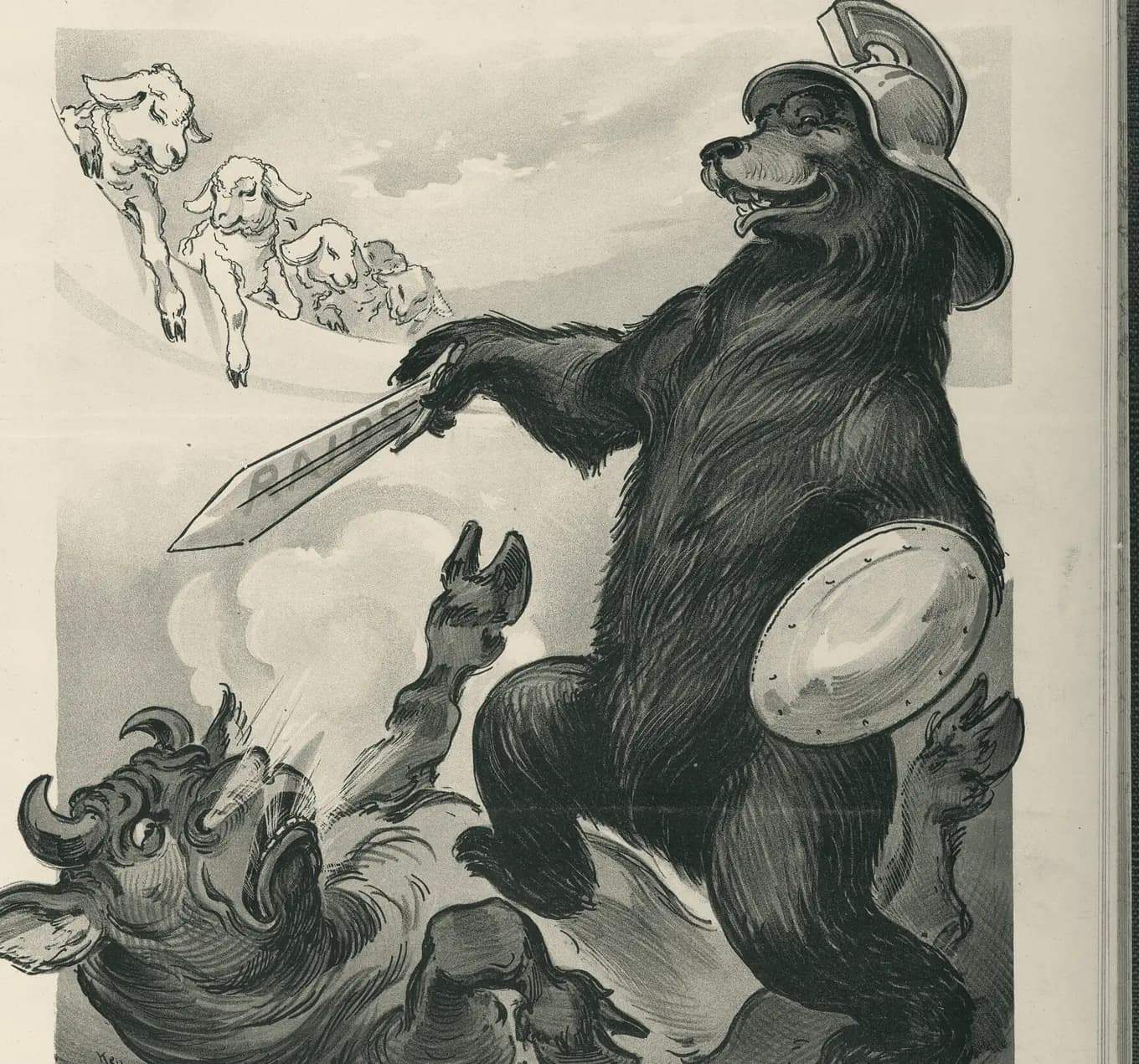
The ads show traders winning from their sofa. The research tells another story: across most of the markets and periods studied, a large majority of individuals who trade actively lose money. It is not inevitable, but you need to understand why before hoping to do better.
What the numbers say
Regulators and researchers have measured the phenomenon several times, on different products and in different countries. The results look alike.
| Study | Population observed | Result |
|---|---|---|
| AMF (France), 2014 | Retail forex traders, 2009-2012 | 89% lost money, average loss ≈ €11,000 |
| ESMA (Europe), 2018 | Retail CFD accounts | 74 to 89% of accounts lose money |
| Barber and Odean, 2000 | 66,000 US households, 1991-1996 | Most active: 11.4% a year, vs 17.9% for the market |
| Chague et al., 2019 | Brazilian day traders active for over 300 sessions | 97% lost money |
Since 2018, European CFD brokers, who sell highly leveraged products, have had to display on their website the share of retail accounts that lose money. It is usually above 70%.
Fees: a slope to climb every day
Every order costs something: a commission, the spread between the buying and selling price, sometimes financing charges. One by one, these costs look negligible. Multiplied by the number of orders, they become the active trader’s first opponent.
That is Barber and Odean’s conclusion: the households that traded the most did not necessarily pick worse stocks, but their costs wiped out most of their return. Fewer orders is often better.
10,000 after one year of fees alone (0.1% per order)
Leverage, the ruin accelerator
The products most sold to individuals, CFDs and forex above all, work with leverage: you commit far more than your stake. With leverage of 20, a 5% move against you is enough to lose the whole amount committed.
Leverage does not improve decisions: it speeds up their consequences. Beginners are often wrong; that is normal. With leverage, those ordinary mistakes leave no time to learn.
Up against better-equipped professionals
Over short periods, trading looks like a zero-sum game before costs: what one side wins, another loses. And on the other side of the screen are funds, banks and high-frequency algorithms with better data, lower costs and faster execution.
Trying to beat them over a few minutes means playing on their turf. Individuals have other strengths: no one to report to every quarter, the ability to wait, and the freedom to do nothing.
Biases: the brain against the portfolio
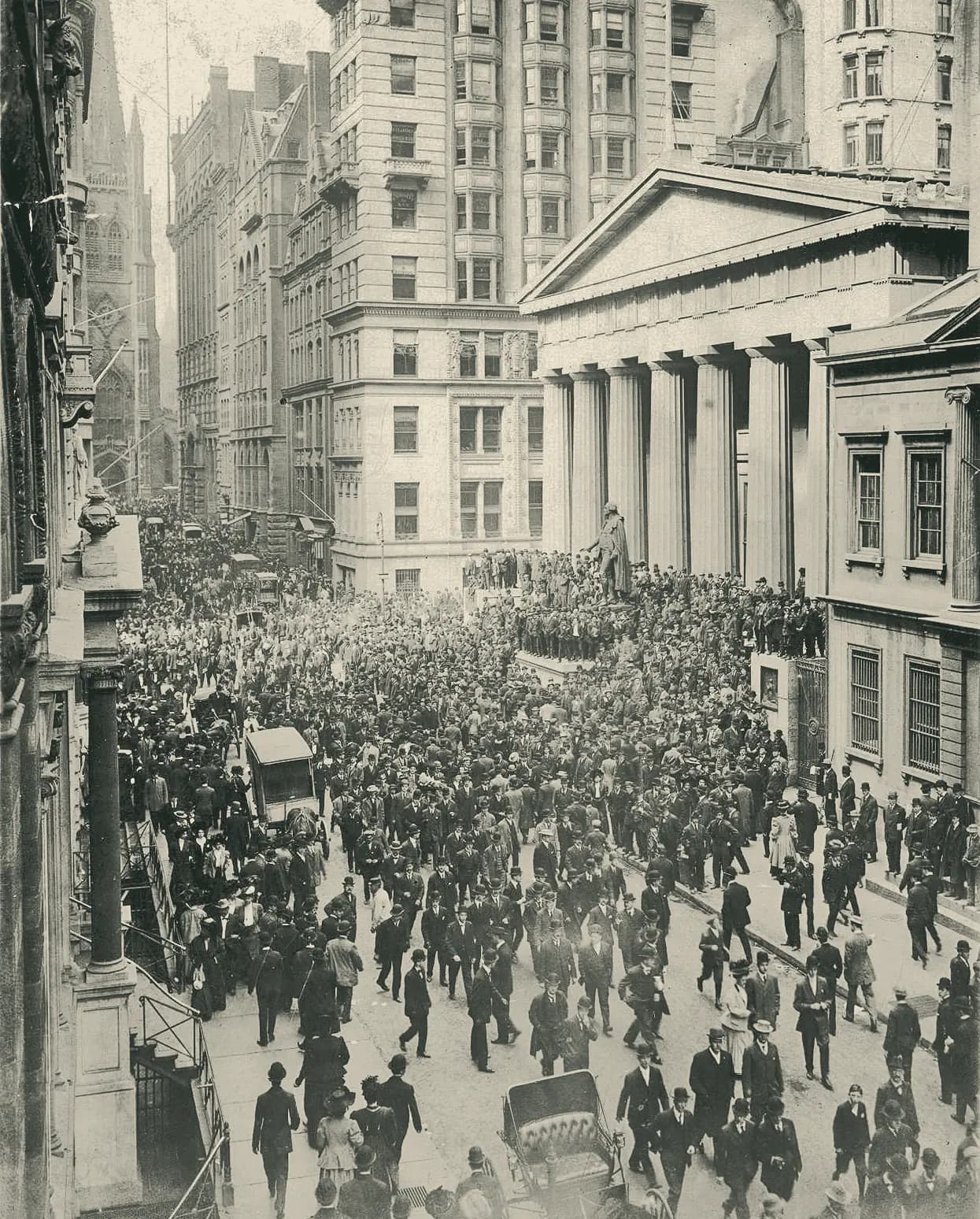
Behavioural finance has shown that our natural reflexes are poorly suited to markets. Three biases weigh especially on retail traders.
- Overconfidence. A few wins are enough to feel gifted. You trade more, raise your stakes, and both fees and losses grow.
- The disposition effect. You sell winners quickly to “lock in” the gain and hold losers hoping to get back to your purchase price. The result: small gains and large losses (see when to sell a stock).
- Chasing the big hit. Following a rumour, a forum or a stock that has just jumped 50%, often too late, just as the first buyers start selling.
How to be in the minority
There is no guaranteed method, but the same habits show up among those who do better than average.
- Trade less often. Every order needs a written reason, not just an urge.
- Limit the risk per position. A common rule: never risk more than 1 to 2% of your capital on a single idea.
- Decide the exit before the entry: at what price you will admit you were wrong, and why.
- Avoid leverage until you have proven yourself without it.
- Keep a journal: every order, its reason, its result. You learn more from mistakes written down than from memories.
- Practise first. Mistakes cost less on a simulator.
In PastFolio, fees are charged on every order and tomorrow stays unknown, as on a real market. The end-of-game summary compares your result with the scenario’s index: you see whether your activity earned you something, or cost you.
Educational content, not investment advice.
Also worth reading
7 min read
When should you sell a stock? The good and bad reasons
Buying is easy; selling forces a decision. Studies show that individuals sell their winners too early and hold their losers too long. Here is how to decide with a cool head.
Read the article →
10 min read
Micro-trading algorithms, explained simply
A large share of orders on stock markets comes from algorithms that decide in a few microseconds. How do they make money, and what do they change for everyone else?
Read the article →
11 min read
What to know before you start trading
Before you place your first order, a handful of concepts make all the difference between learning and losing. Here they are, without jargon, with the numbers that matter.
Read the article →