What is an ETF?
A whole index in a single share, for a few cents of fees a year. Why ETFs changed the way people invest.
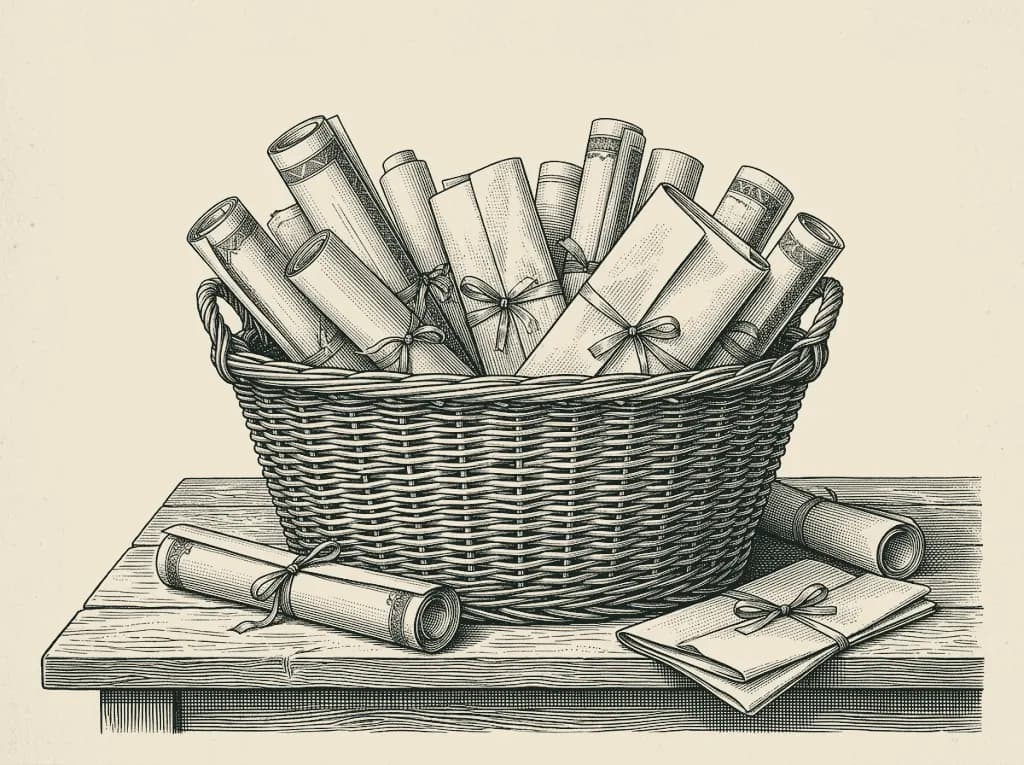
The idea: a whole basket in one share
To track the S&P 500, you would need to buy the shares of 500 US companies, each in the right proportion, and rebalance all the time. An ETF does it for you: the manager holds those shares, and you buy units of the fund on the exchange, just like an ordinary stock.
What one ETF share holds
The first US ETF, the SPDR S&P 500, was launched in January 1993. It is now one of the most traded securities in the world, and ETFs together manage trillions of dollars.
Why they are so popular
- Instant diversification: a single share spreads the risk across the whole index.
- Low fees: no manager picking stocks, just replication. Large ETFs often charge between 0.05% and 0.3% a year, against 1.5 to 2% for many actively managed funds.
- Simplicity: you buy and sell it at any time during the session, at the market price.
What an ETF does not do
An ETF follows its index, up and down. When the market loses 30%, the ETF loses roughly 30%. It will never help you beat the market: its very promise is not to. You also need to check what it holds. An ETF on a single sector or country is much less diversified than a global one. And if it is priced in another currency, you carry currency risk.
Educational content, not investment advice.
Also worth reading
Explainer · 3 min read
What is a stock market index?
A single number to say how a market is doing. But not all indices are calculated the same way.
Read the explainer →
Explainer · 3 min read
What is a stock?
A slice of a company, a price that moves every second, rights and a risk. The essentials in three minutes.
Read the explainer →
8 min read
Currency: when the exchange rate decides your return
Buying a foreign stock means making two bets at once: on the company, and on its currency. The second often goes unnoticed, until the day it wipes out the first.
Read the article →